
Fertcare A guide for fit for purpose soil sampling
Report or other publication
The purpose of this document is to describe farm-based ‘fit for purpose’ soil sampling methods. These guidelines aim to ensure that soil sampling is well planned, well-equipped and well suited for its designated purpose.
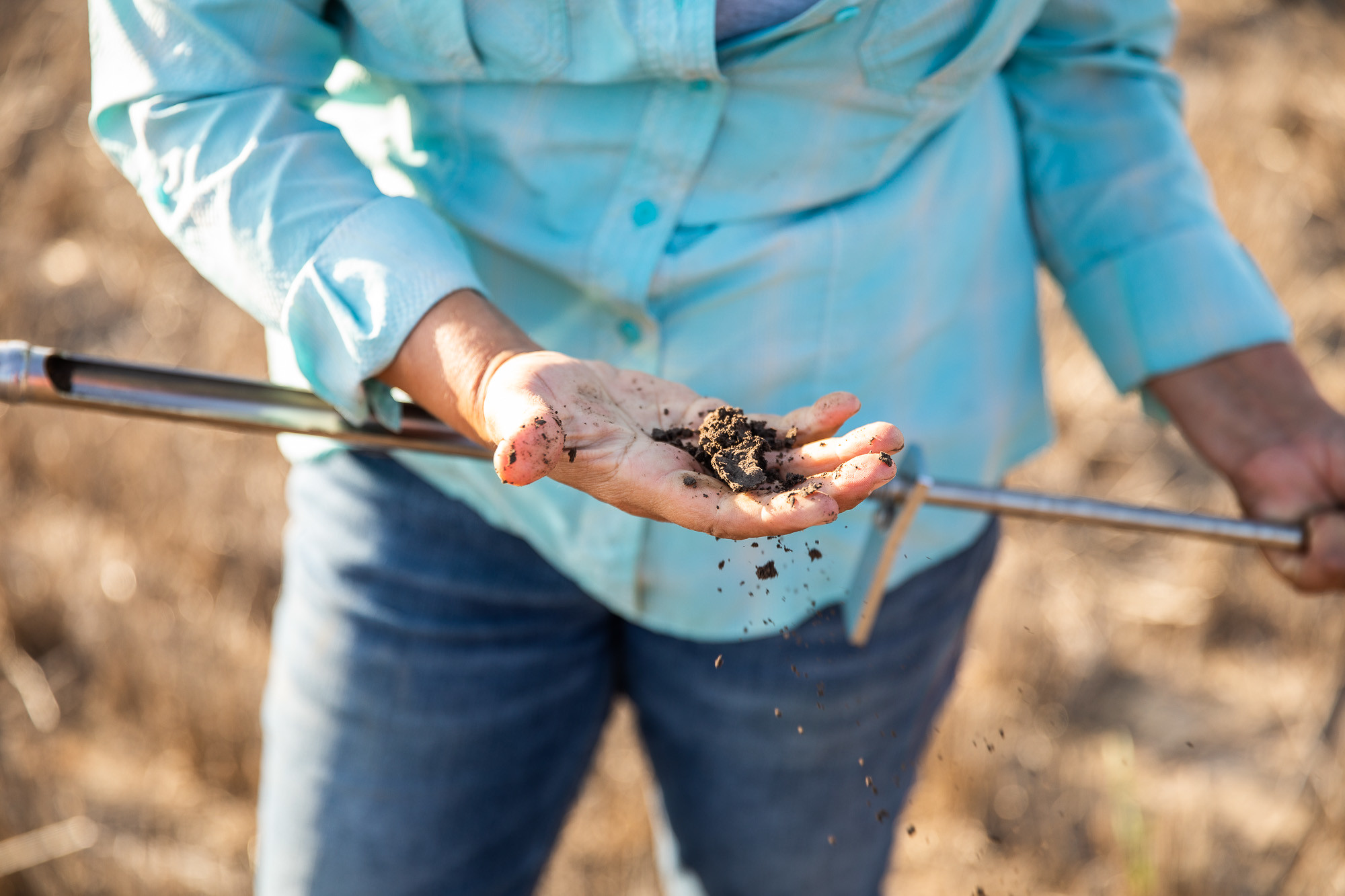
Soil sampling and testing is an essential part of making good fertiliser decisions. Fertilisers are a large cost to farming pastures in high rainfall areas. This page is specific to sampling high rainfall pastures (more than 600mm average annual rainfall) in the south-west of Western Australia.
Alleviating soil compaction allows plant root access to a greater volume of soil moisture and increases nitrogen use efficiency.

Deep ripping is used to fracture and loosen hardened soil.
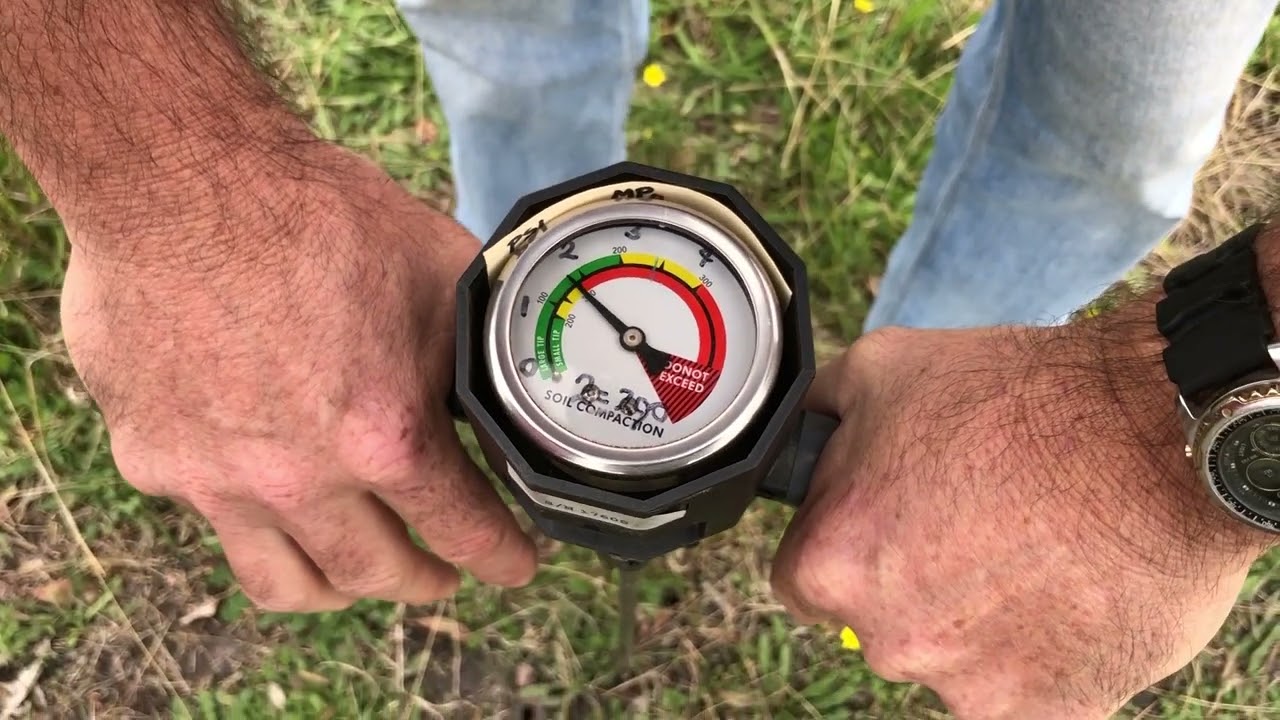
Testing needs to be done when the soil is sufficiently wet to depth – preferably at the drained upper limit, or field capacity.
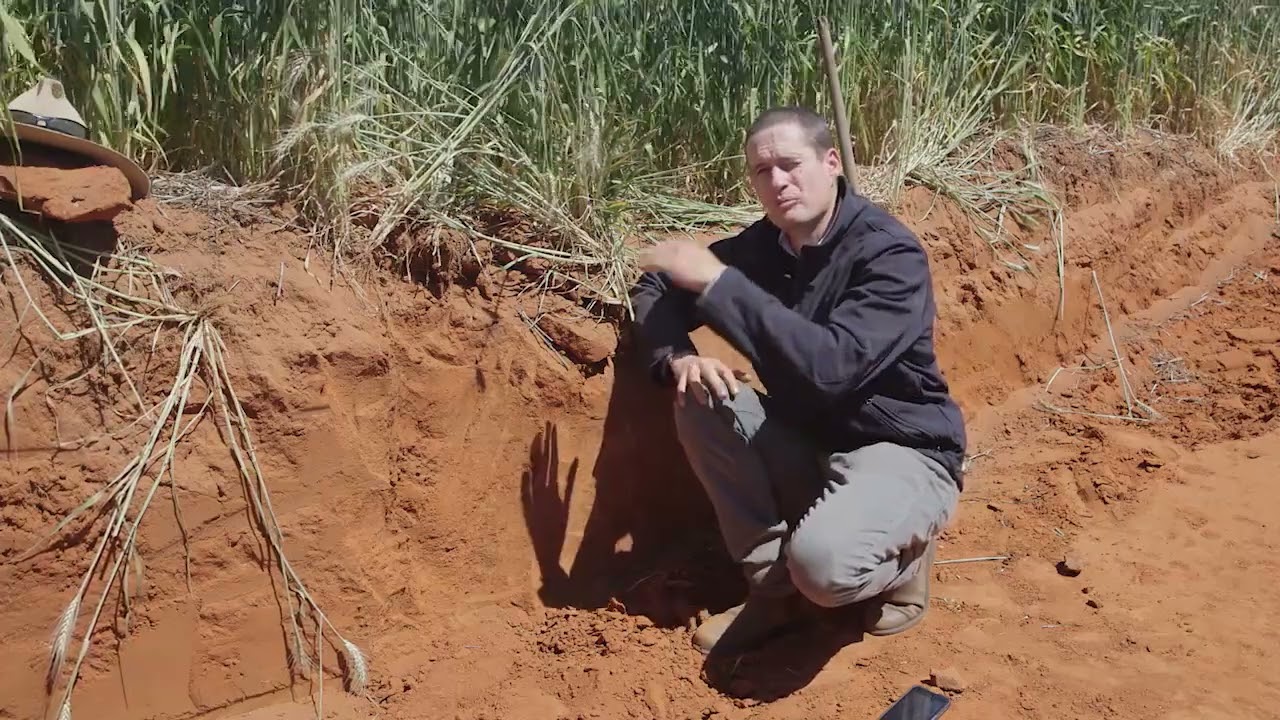
Compaction in loamy soil
Video
Changes in characteristic features, such as proliferation of roots and a shift from a crumbling soil to blocky, angular soil structure can indicate compaction.
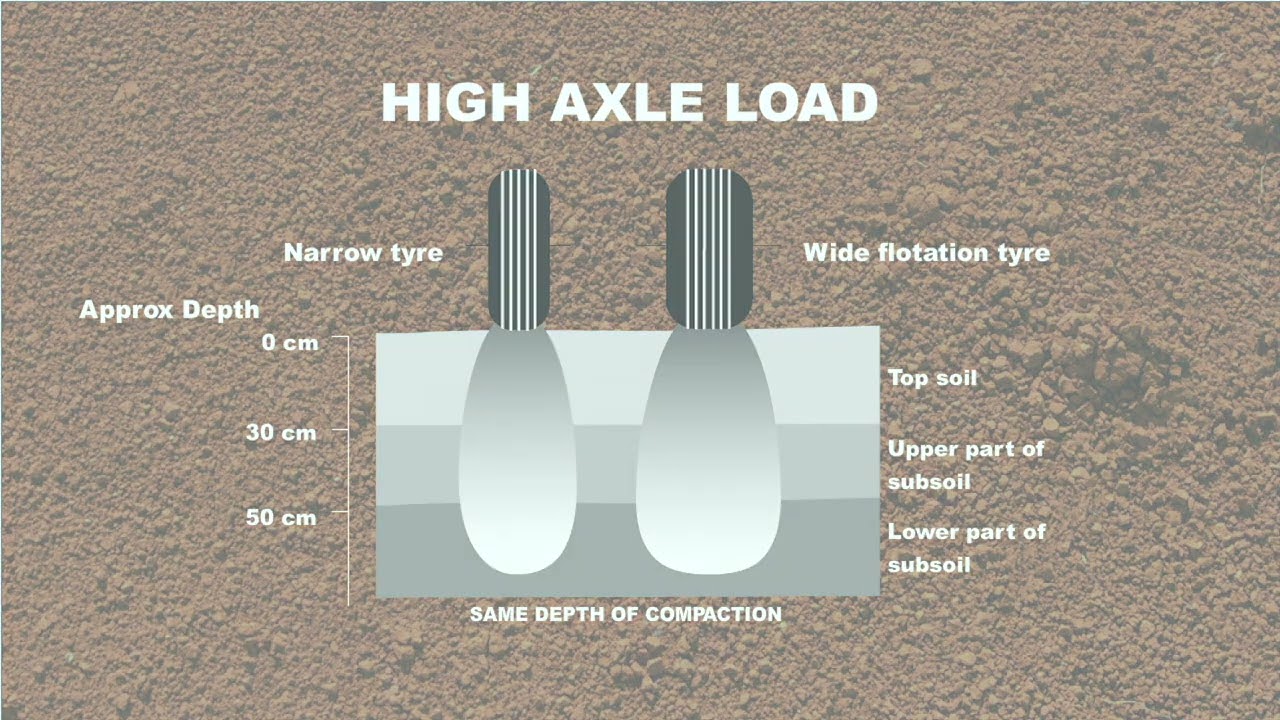
Tyres, tracks and axle load all need to be considered when addressing soil compaction.

Forces from machinery compress the soil and decrease space between soil particles, reducing pore space and increasing soil density.
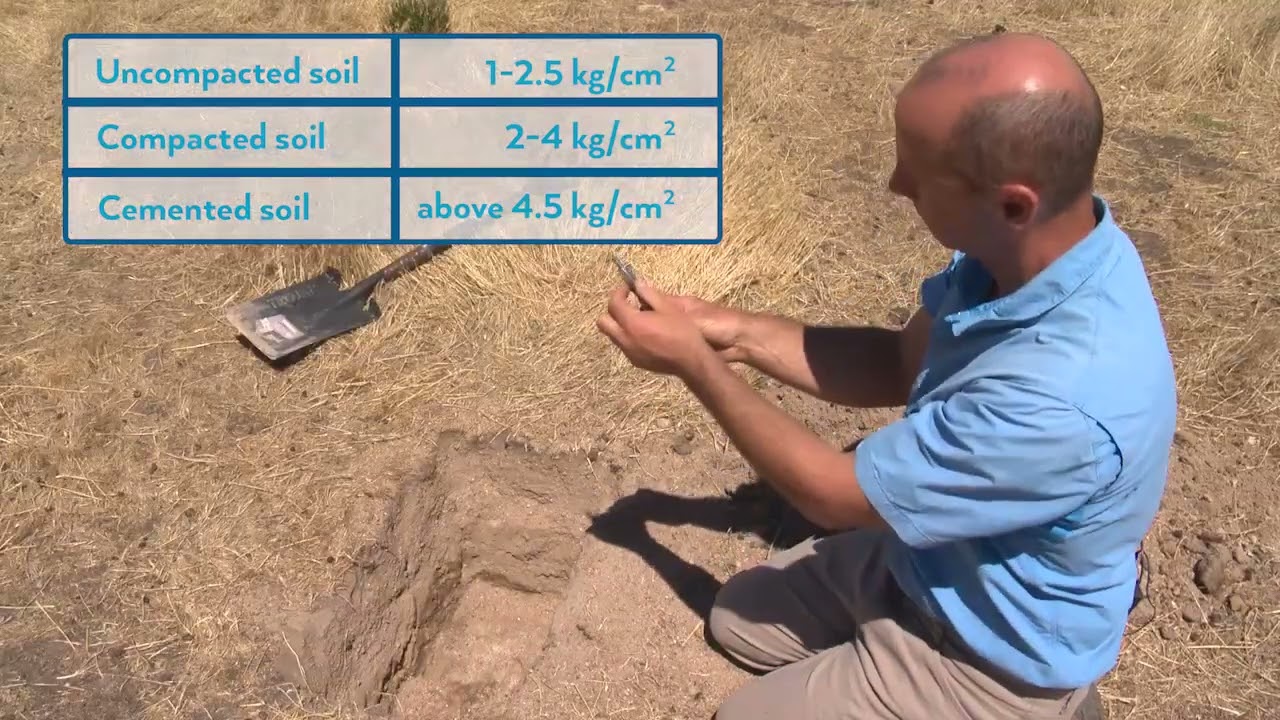
Processes forming hard layers include compaction, where soil pore space sediments is decreased by the weight of traffic and pressure of overlying layers, and cementation, which results from sediments being ‘glued’ together by new minerals deposited by water and hardening.