Project
SWAN CollaborationDate
2026/06/30
Organisations
Department of Primary Industries and Regional Development
Grains Research and Development Corporation
Authors
Bindi Isbister
Snapshot
Growers: Mic and Marnie Fels
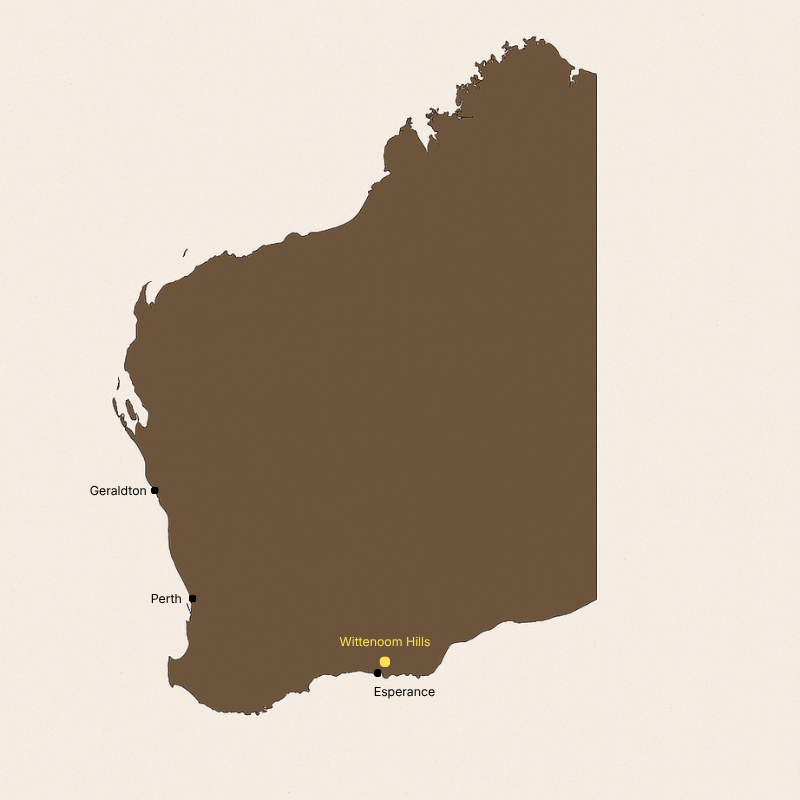
Location: 6000 ha Wittenoom Hills, 50 km north of Esperance
Enterprises: cropping – controlled traffic; cereals, canola, lupins
Average annual rainfall: 450 mm
Soil types: shallow duplex soil type (sandy layer over a dome clay base); lakes duplex country (sand over clay with sand ranging from 10–60 cm)
Soil constraints: water repellence causing problems with plant establishment
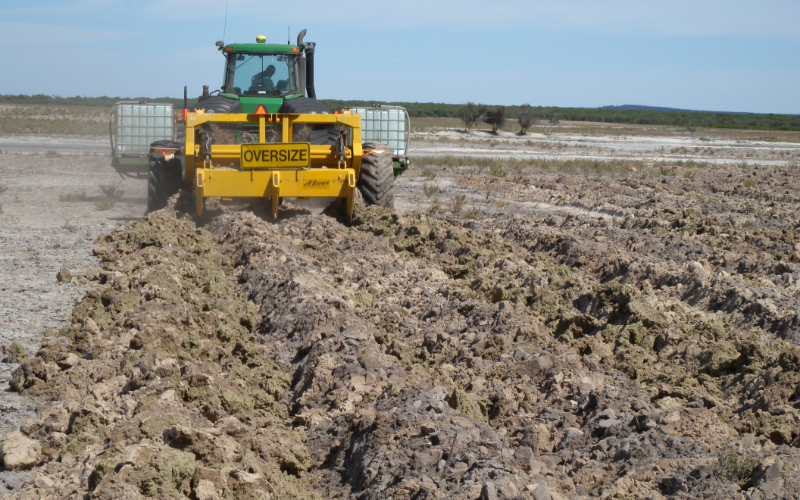
Amelioration process: clay delving to 40–60 cm followed by gypsum, spreading and 10 shallow cultivation passes including one spaded treatment to remove clods
Key messages
- Soil water repellence has remained low a decade after intensive amelioration including clay delving, gypsum spreading and cultivation/tillage. The previously poor-performing paddock is now an average yield performer.
- Hostile subsoil brought to the surface in the delved shallow-duplex soil has reduced yields in low rainfall years compared to undelved areas.
- Delving and spading costs $500/ha with a 9-year ROI in the shallow duplex soil of -$2/ha, and -$1/ha in the deeper duplex soil. Spading alone may therefore have been a better option.
- It is critical to identify toxic subsoils before embarking on soil amelioration techniques that result in these subsoils being brought to the surface.
Background
Clay delving uses large delving tynes to penetrate the subsoil layer and lift soil with a higher clay content to the surface, where it is mixed with surface soil. The process has been shown to improve soil water holding capacity, reduce non-wetting and increase productivity. Trials in the Esperance district on the south coast of Western Australia have shown a yield benefit of up to 1 t/ha in delved soils (Betti and Davies 2017).
Clay has a high affinity for water and where clays are within 50 cm of the surface, delving tynes can often bring enough clay to the surface to dilute the hydrophobic plant waxes causing the repellence, resulting in increased soil wettability and evenness of wetting. When successful, clay delving can act as a long-term solution to water repellence. Delving also has a deep-ripping effect, creating loose pathways for rapid root growth. Sand falling from the surface into the clay horizon rip lines can increase rooting depth. Applying gypsum behind the delving tynes can also improve the structure and root access of sodic subsoils.
However, clay delving can be a challenging process with the delved soil left very soft and rough, causing seeding and trafficability issues. It can also be difficult to break up, spread, and mix the large clods of clay brought to the surface – with further mechanical tillage like spading often required to break up any clay clods, level the soil and mix water repellent topsoil through the top 20–30 cm of the soil profile.
The amount of clay brought to the surface is a function of depth to clay across the paddock. In areas where insufficient clay is brought to the surface, there may be a deep-ripping benefit of removing soil compaction, but there will not be a reduction in soil water repellence.
Case study paddock
Soil water repellence has been a long-term issue for Mic and Marnie Fels on their cropping property north of Esperance. The case study paddock (shallow duplex soil) had been in a long-term wheat/lupin rotation and was performing poorly. Part of the paddock was clay delved in 2009 in an attempt to ameliorate the non-wetting issue. A 36-metre test strip was left undelved for comparison.
While the delver used was capable of digging 60–100 cm deep, Mic found the machine worked best at 40–60 cm. This was because the clay tended to fall off the delving blades if the machine was working deeper. Following delving, Mic applied gypsum and shallow cultivated the paddock. That included one spading treatment to break up the clods.
This case study examines the long-term yield and soil chemistry impacts of the soil amelioration process for delving and spading and spading only treatments.
Results
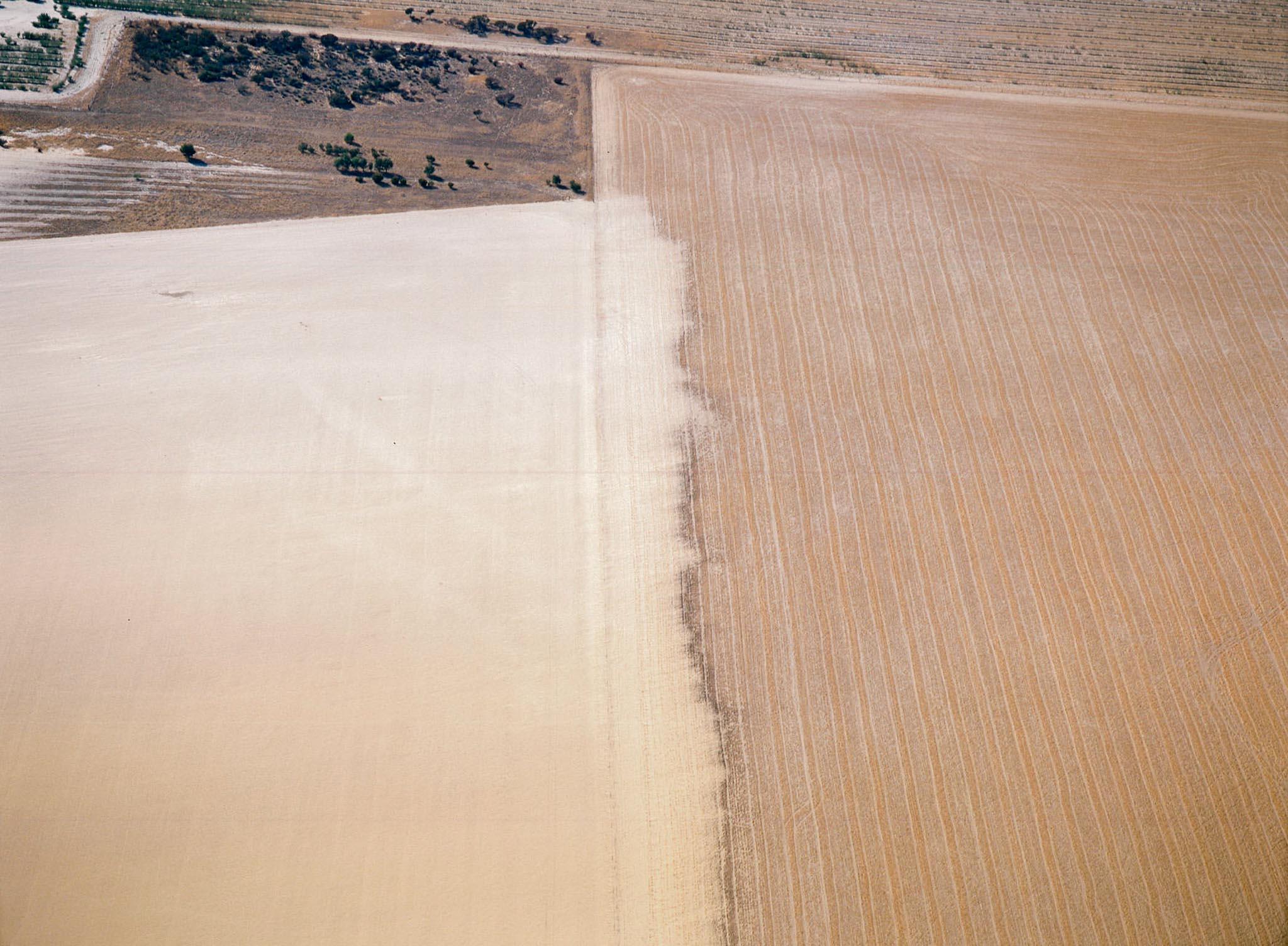
The delving process created what Mic describes as a ‘moonscape’ with sodic, saline, green clay brought to the surface.
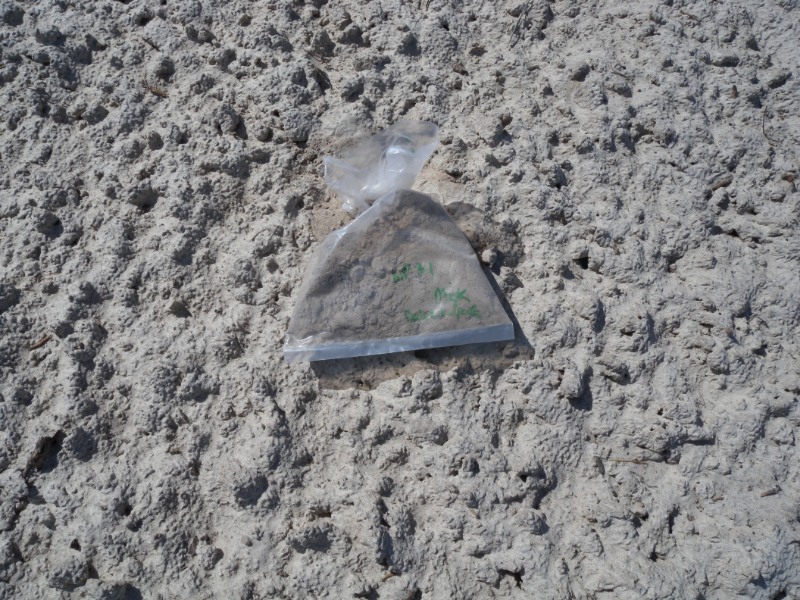
Soil testing found the subsoil material brought to the surface was up to 54% clay, high in boron (10.3 mg/kg) and exchangeable sodium (29%) with an alkaline pH (CaCl2) of 8.6, all of which resulted in poor crop establishment in some areas of the paddock post-delving. To recover the paddock, Mic applied gypsum and shallow cultivated the paddock 10 times, using a spading treatment to break up the clay clods. Mic observed that, with time, the delving and spading reduced the soil water repellence and lifted paddock yield from poor to average.
Yield analysis
The ameliorated paddock was yield tested retrospectively across two distinct soil zones (Figure 2):
- Zone 1 (eastern side of paddock) was a shallow duplex (< 20 cm)
- Zone 2 (western side of paddock) was a deeper duplex (30–40 cm)
Within each soil zone, all crop yields were assessed in areas that had been either delved and spaded, or left undelved and spaded only (Figure 2).
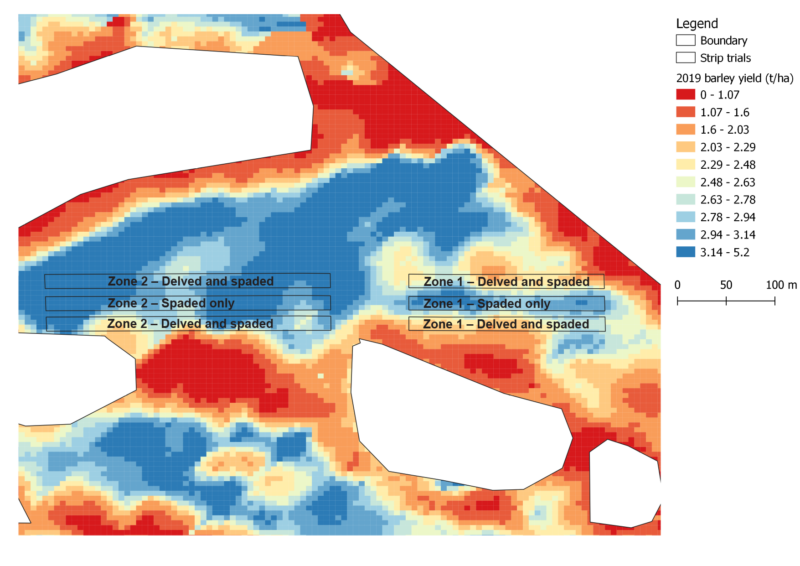
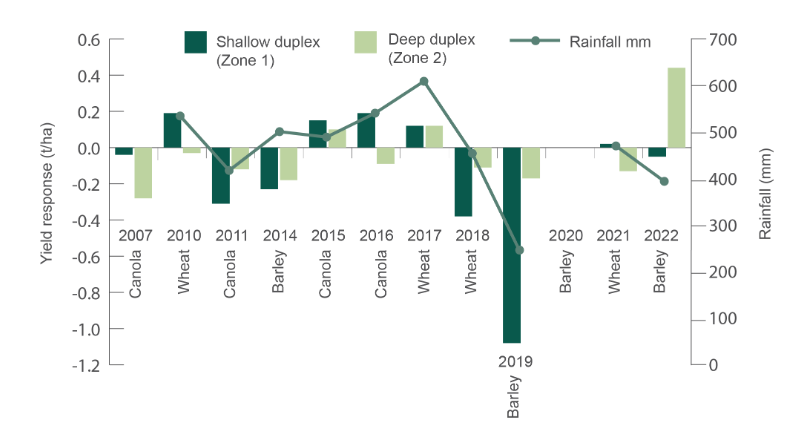
Between 2007 and 2022, there was no yield difference measured between either soil type in good seasons (Figure 3). However, in low rainfall years the delved and spaded strip in the shallow duplex soil suffered a significant yield penalty compared to the undelved spaded only strip. This was due to more hostile clay having been brought to the surface in the delved strip, which reduced soil water availability (Figure 3). Analysis of 11 years of yield data found the undelved spaded only strip in the shallow duplex soil produced an aggregate total of one tonne more grain per hectare than the delved and spaded strip (data not shown).
Amelioration and soil properties
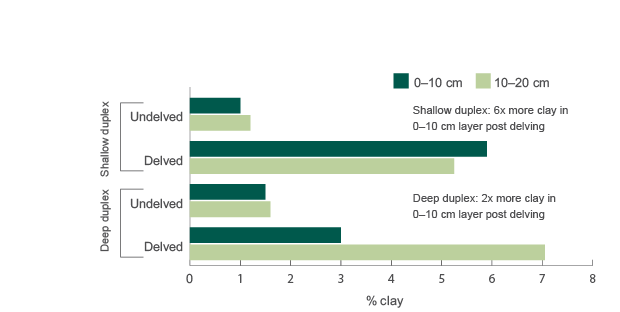
Clay delving in 2009 altered the soil profile by increasing clay content in the surface layer. Soil tests in March 2021 showed the shallow duplex in Zone 1 had about six times more clay in the 0–10 cm layer in the delved and spaded strip than the spaded only strip. By comparison, the delved deeper duplex in Zone 2 had about two times more clay at 0–10 cm compared to the spaded only strip (Figure 4).
More than a decade after complete treatment, soil water repellence was either absent, or still very low in the delved strips, with molarity of ethanol (MED) scores of 0 in the shallow duplex, and 1 in the deeper duplex, compared to moderate water repellence (MED 2.3–3.3) in spaded only strips (data not shown). This demonstrates that clay delving has provided long-term mitigation of soil water repellence.
The increased clay content in the shallow duplex has effectively re-engineered this soil to behave more like a heavier loam–clay. While the higher clay content improves water-holding capacity, it also means that in dry seasons water is bound more tightly, making it less available for plant roots to extract. This has resulted in yield penalties in low rainfall years compared to spaded only areas (see Figures 2 and 3).
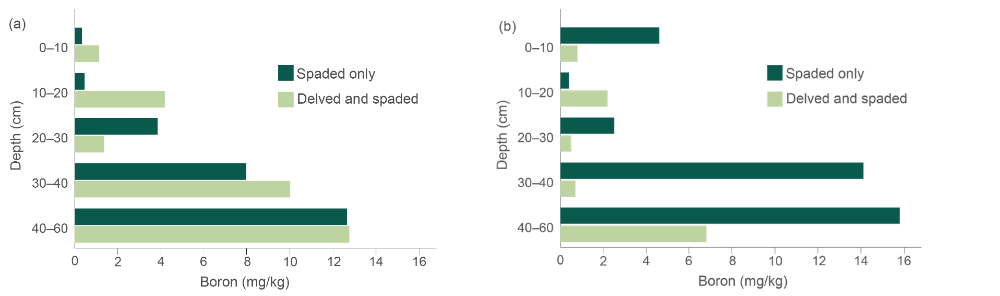
Subsoil chemistry changes differed between the shallow duplex and deep duplex. In the shallow duplex (Zone 1), delving exposed sodic, saline clay with high boron levels. Boron concentrations at 40–60 cm exceeded 12 mg/kg, which is the toxic threshold for crop growth (Figure 5a). By contrast, in the deeper duplex (Zone 2), delving and spading diluted boron concentrations at depths below 30 cm to beneath toxic thresholds by mixing lower boron topsoil with subsoil (Figure 5b).
The case study findings highlight that while clay delving can result in a long-term reduction in water repellence, its impact on subsoil chemistry and water dynamics varies with clay depth and composition. Identifying the presence of toxic subsoil layers before amelioration and considering any impact on the potential for plants to access available water is therefore critical to avoid yield penalties in dry seasons.
Lessons learned
- Mic says the lessons learned from carrying out ‘test strip’ trials on his farm have been ‘gold’ as they are the only way to measure the impact of treatments before applying them at scale.
- Mic says that one of the challenges with soil amelioration is that ‘by fixing one soil constraint you can inadvertently create others’.
- While the water repellence issue in the case study paddock is now reasonable, the crop yields of delved areas are worse in dry seasons and, overall, soil amelioration has delivered mixed responses on his farm.
- Duplex soil is challenging to ameliorate particularly when the depth to clay is highly variable and the presence of subsoil constraints such as nutrient toxicities is unknown.
- There is a need to identify responsive soil types before embarking on soil amelioration – to avoid bringing hostile soil to the surface. Before delving the paddock, Mic attempted to use an ‘electromagnetic’ (EM) map to determine clay depth but found the EM data was confounded by soil moisture, sodicity, salinity and salt in the water table, making it impossible to accurately map the spatial variability of depth to clay.
- Delving (and spading) cost about $500/ha, which included working the paddock about 10 times following amelioration to try and break up the clods. Return on investment was negative – with the shallow duplex the worst at -$2/ha and the deeper duplex -$1/ha. In retrospect, Mic thinks that spading alone would have been more effective than delving, as the spading works to about 30 cm and would not have brought up as much clay subsoil.
- Mic has also investigated the impact of mouldboarding to address soil constraints, which cost $120-150/ha. He has observed a good yield response of 2.5 t/ha immediately following mouldboarding, but over time the yield response declines to the untreated level. Mic wonders if this is because the plants have accessed and mined all the nutrients that were stored in the profile.
Next steps
Soil water repellence remains an issue at Mic and Marnie’s farm. Mic has designed his own disc seeding system that sows seed at 190 mm row spacing and scalps the repellent soil away from the furrow into ridges before placing the seed into more wettable soil. The narrow row spacing means the crop rows are never more than 76 mm from an old stubble row where water concentrates and infiltrates more readily. The disc system enables sowing to occur directly on top of the old furrow without trash blockages. Research has shown near-row sowing can improve early plant establishment by 50% in water repellent soils (Davies et al. 2019), however it must be used every year to be effective and does not offer a long-term solution like clay delving, mouldboard ploughing and spading.
Mic has done some claying to counter water repellence and plans to do some more on sand patches where changing the seeding system has not helped establishment. The cost of claying on Mic’s farm was about $2/tonne applied. Mic has done a trial to re-engineer the soil profile by applying up to 1000 tonnes of clay and then mouldboarding or discing it in. He has seen a good yield response with the mouldboarding, as this process creates a duplex soil effect and removes non-wetting without the crusting effect that sometimes occurs with discing. Mic is keen to follow up with soil tests on these re-engineered sites as he suspects the clay layer is storing more moisture and nutrients like as he sees on his better duplex soils.
For more information
Bindi Isbister
Research Scientist
Soil Productivity
Grains Research and Innovation
Department of Primary Industries and Regional Development
E: [email protected]
P: (08) 9956 8555
References
Betti G and Davies S (2017)
Cost-effectiveness of Combinations of Clay Spreading and Strategic Tillage for Management of Repellent Soils: First Year Results from a Site in Moora, Western Australia, Proceedings of the 18th Australian Society of Agronomy Conference, 24–28 September 2017, Ballarat, Australia
Davies S, Betti G, Edwards T et al. (2019)
Ten Years of Managing Water Repellent Soils Research in Western Australia – A Review of Current Progress and Future Opportunities, Grains Research Development
Corporation (GRDC), Perth
Acknowledgements
The research outlined in this case study was jointly funded by GRDC and DPIRD as part of the DAW1902-003RTX project Re-engineering Soils to Improve the Access of Crop Root Systems to Water and Nutrients Stored in the Subsoil and the DAW2401-001SPX project Soil Water and Nutrition.