Project
SWAN CollaborationDate
2026/06/30
Organisations
Department of Primary Industries and Regional Development
Grains Research and Development Corporation
Authors
Bindi Isbister
Alice Butler
Stephen Davies
Snapshot
Growers: Ben and Emily Webb
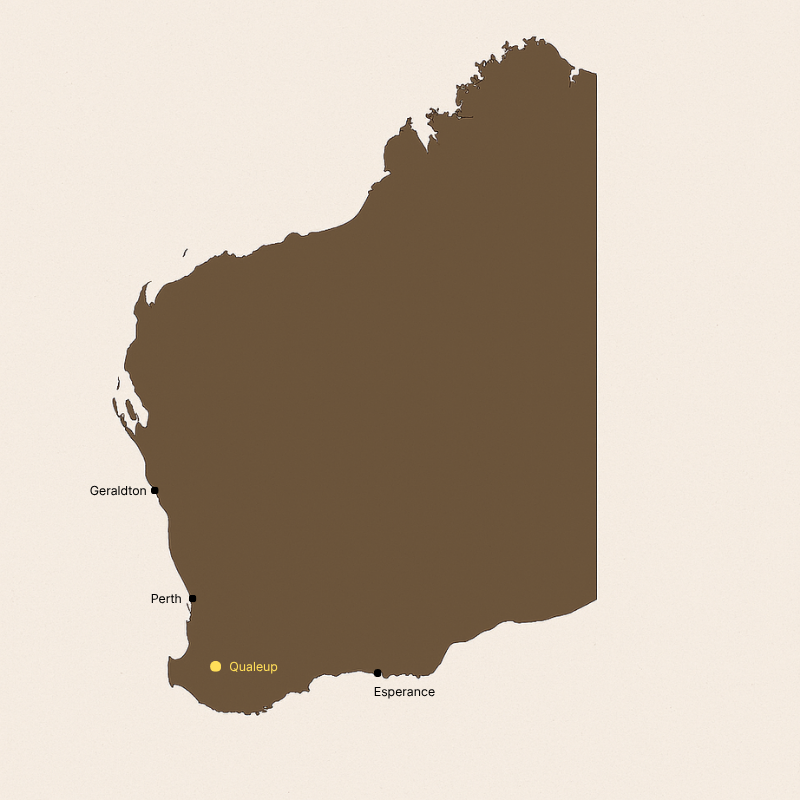
Location: Qualeup, west of Kojonup
Enterprises: cropping — canola, wheat, lupins, barley; 4500 Merinotech ewes
Average annual rainfall: 535 mm
Soil types: duplex sandy gravel (sandy matrix filled with ironstone gravel to 30-80 cm before a texture contrast change); deep sandy gravel (sandy matrix filled with ironstone gravel to >80 cm before a texture contrast change)
Soil constraints: topsoil water repellence causing poor establishment and yield
Amelioration process: soil inversion (2020) using a 3.7-metre modified one-way disc ‘Plozza’ plough
Key messages
- One-off soil inversion of a forest gravel soil reduced the topsoil water repellence rating from ‘very severe’ to ‘moderate-low’ and improved crop establishment.
- Soil mixing redistributed nutrients and buried organic carbon, but also increased surface gravel and required extra levelling following amelioration to remove rocks and tree roots.
- Yield gains were greatest and most consistent on the deep sandy gravel (up to 2.0 t/ha in wheat in a frost year), where the duplex gravel showed variable responses, especially in a dry season.
- Amelioration improved yield stability and profitability, with three-year cumulative returns of $1178/ha on the deep sandy gravel and $457–$618/ha on the duplex gravels.
- Yield maps and soil testing alone are unreliable for zoning in complex geological and undulating landscapes, as areas with different soil types can perform similarly but differ in yield constraints such as frost, waterlogging or plant available water.
Background
Gravel duplex soils (‘forest gravels’) are common in the high-rainfall areas of south-west Western Australia. These soils often display topsoil water repellence, which causes poor plant establishment, crop vigour and reduced yield.
One-off soil inversion can significantly improve crop establishment, growth and grain yield on these soils – with yield gains of >20% (cereals and canola) measured in a range of trials (Davies et al. 2019). Soil inversion buries the water repellent topsoil in the subsurface, replacing it with wettable subsurface soil brought to the surface.
One-way disc ploughs offer a lower-cost alternative to mouldboard ploughs for ameliorating water repellence and can work across a wider range of soil types – including forest gravels. Compared to spaders, one-off disc ploughs operate at a shallower depth, do not bring up as much clay, and are better able to handle rocks and buried tree stumps.
On Ben Webb’s property, water repellence affects every paddock, especially the gravel hills. Water repellence impacts crop and weed germination, leading to poor crop establishment and creates issues for weed management, resulting in reduced yield potential. It also leads to waterlogging in lower areas, as water runs off the hills into the valleys.
Ben currently treats water repellence using a banded wetting agent at seeding across all crops, which costs about $18/ha, however his long-term goal is to use one-off tillage and add clay on targeted areas to increase soil clay content and provide a sustained reduction in water repellence.
Case study paddock
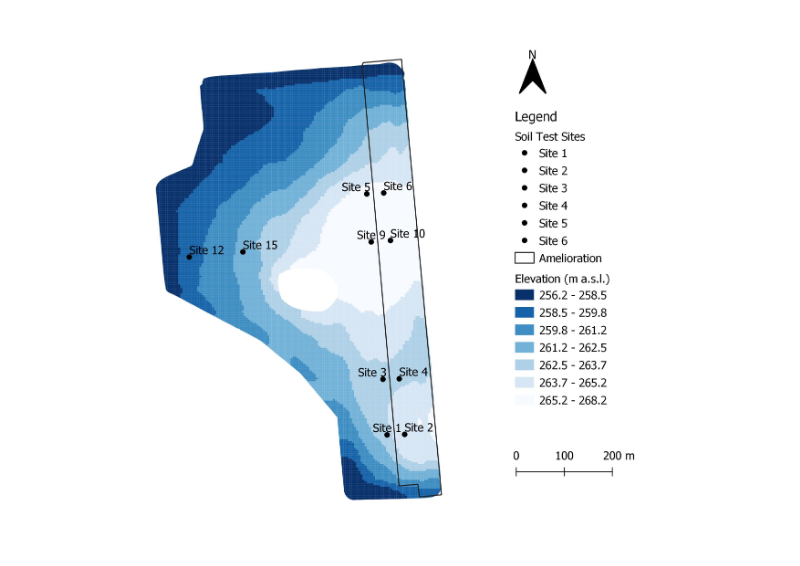
The paddock has a varying topography – highest in the centre and south-east sections and this, coupled with water repellent topsoil, results in surface water run-off from the higher sections and waterlogging in the lower areas (Figure 1). Frost is also a risk in the lower lying areas of the paddock.
Ben says the case study paddock is one of the poorest on the farm, with low crop establishment and productivity. Before amelioration, the topsoil’s water repellence was rated as ‘severe’ to ‘very severe’.
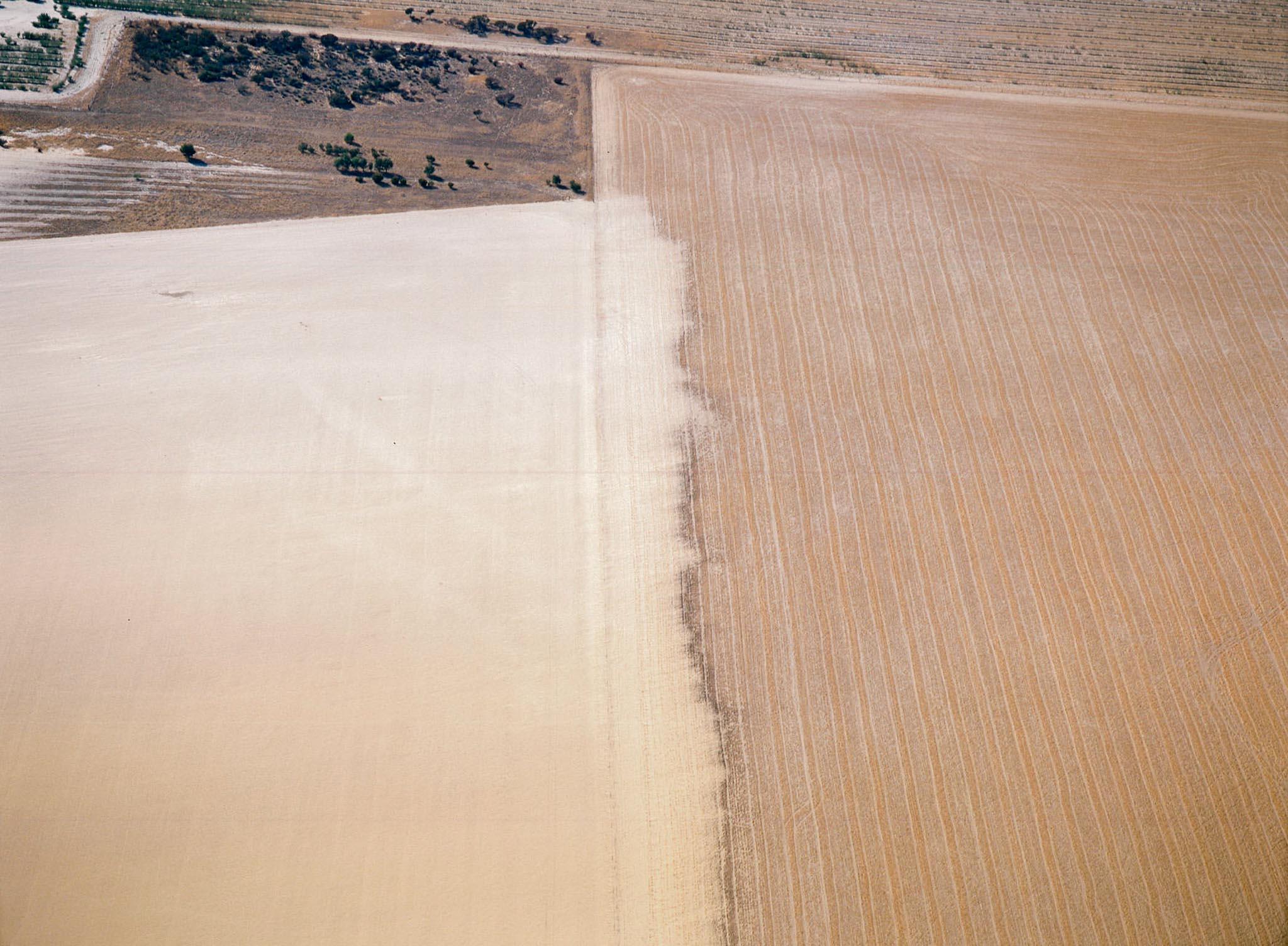
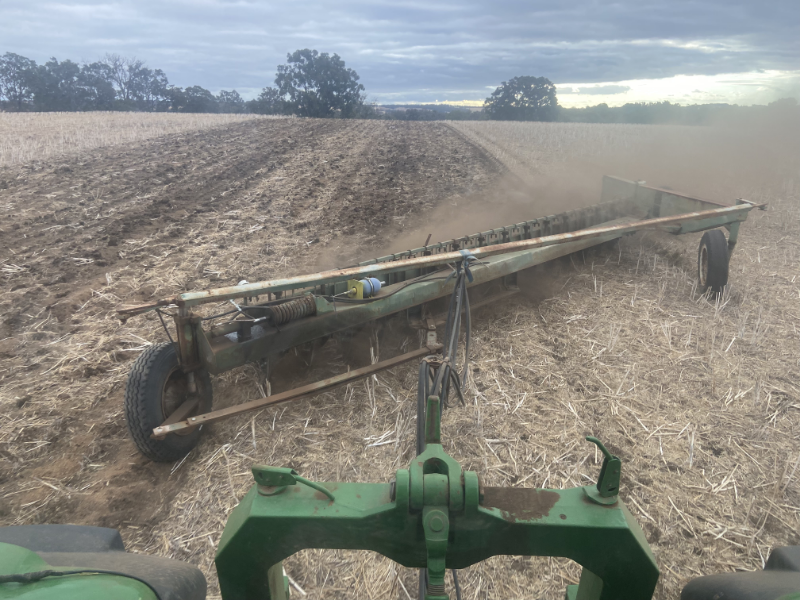
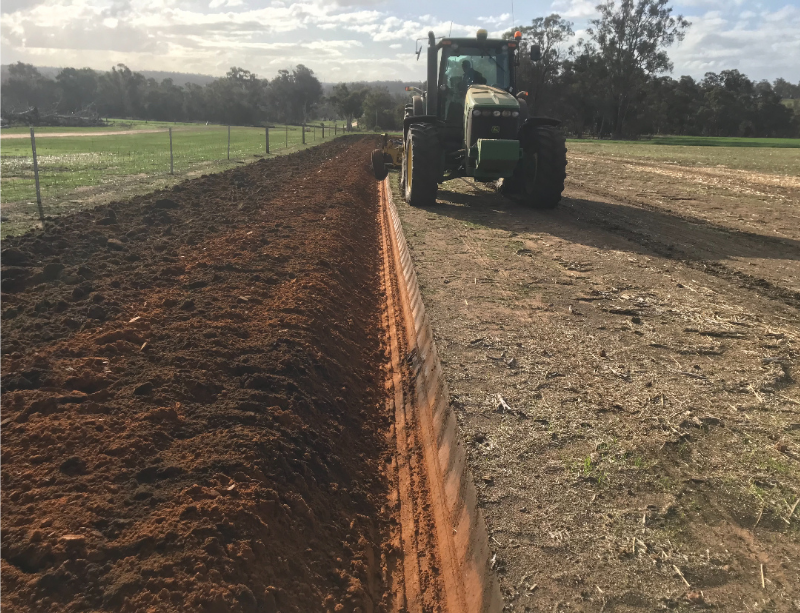
In March 2020, Ben used a 3.7‑metre modified one‑way disc ‘Plozza’ plough to invert an 80‑metre‑wide test strip across the paddock, burying the water‑repellent topsoil and bringing up non-repellent subsoil (Figures 1, 2a and 2b). The working depth of the plough was 20-30 cm.
To measure the impact, four paired sample sites were established on the ameliorated and adjacent non-ameliorated areas. Sites 1, 3 and 4 were duplex sandy gravel (30-40 cm), while Site 2 was classified as deep sandy gravel (Figure 1). These sites were chosen using historical yield maps, and each pair matched for similar yields prior to amelioration.
In the following seasons, yield data and soil samples (for water repellence and other properties) were collected from the paired sites, including two extra untreated sites (Figure 1, Sites 5 and 6, duplex sandy gravel).
Results
Water repellence
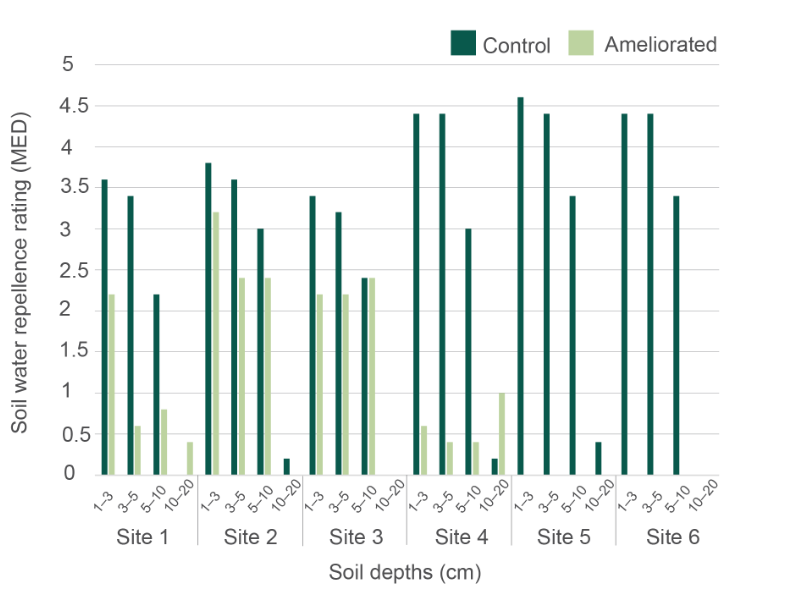
Soil water repellence severity was decreased, but not eliminated, at all four paired sites after amelioration. Paired sites varied in response from ‘very severe’ to ‘low’ (Site 4), ‘severe’ to ‘moderate’ (Sites 1 and 3), and ‘very severe’ to ‘severe’ (Site 2). Sites 5 and 6 were not treated and had ‘very severe’ water repellence where it is expected ploughing would likely have reduced water repellence.
Redistributed nutrients and gravel
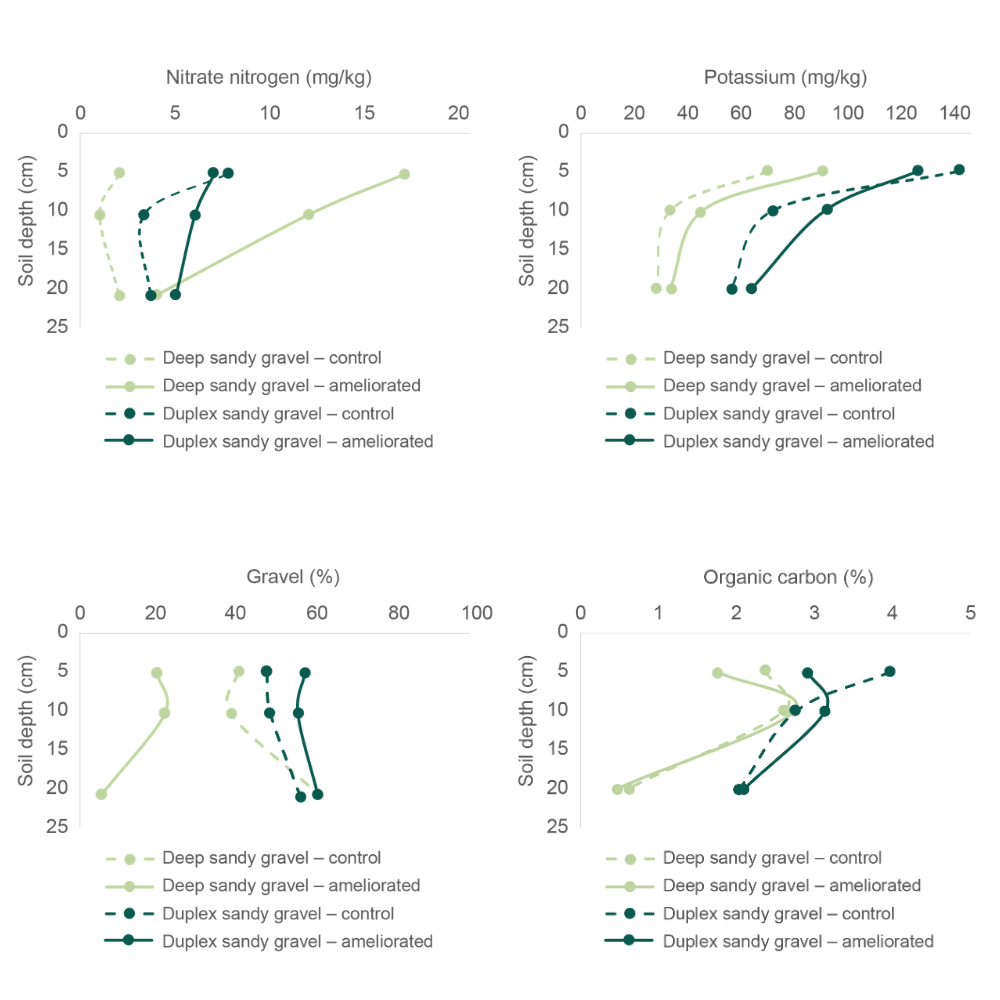
Ploughing has generally increased nitrate and potassium levels from 0-20 cm, although some variability is evident, which is typical in ploughed country due to uneven mixing. Prior to amelioration, Site 2 had lower potassium and nitrate levels compared to Sites 1, 3 and 4, reflecting the lower clay content of the deeper sandy duplex (Figure 4). Gravel content increased with mixing in the surface (0–10 cm) in the duplex sandy gravel soils (Sites 1, 3 and 4) but not in the deep sandy duplex soil (Site 2). Mixing has also changed the distribution of organic carbon with some sites having more carbon at depth after amelioration, such as Site 1 and Site 4 at 10-20 cm (Figure 4).
Yield analysis
The paddock was sown to canola in 2020, wheat in 2021, canola in 2022 and barley in 2023. The ameliorated deep sandy gravel (Site 2) produced higher yields than the paired untreated area in every year and crop type. The ameliorated duplex sandy gravel (Sites 1, 3 and 4) generated higher yields in 2020 (canola) and 2021 (wheat), but in 2023, with a dry spring, yields were the same or lower than the paired untreated areas (Figure 5).
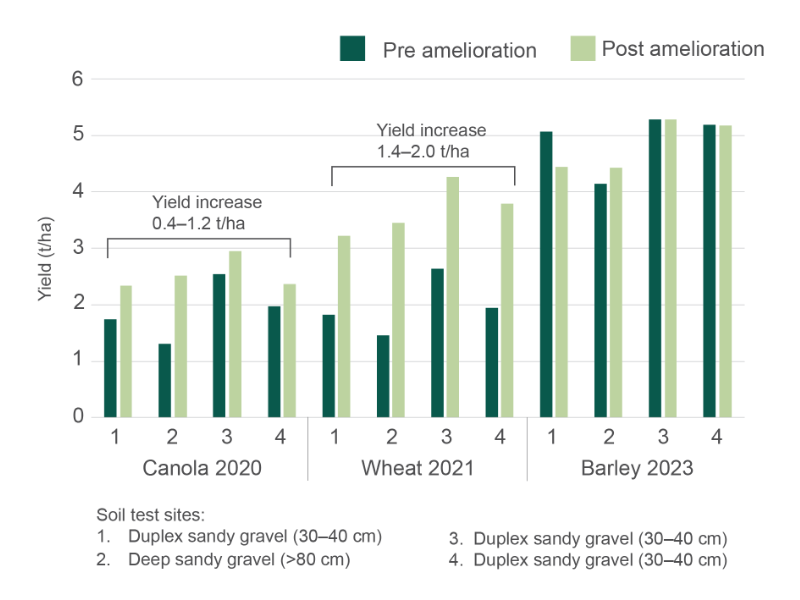
In 2020, yield gains from amelioration ranged from 0.4 t/ha to 1.2 t/ha, and in 2021 from 1.4 t/ha to 2.0 t/ha (Figure 5). Ben noted that the ploughed strip seemed less affected by frost in 2021, yielding 3.9 t/ha of wheat compared to 2.2 t/ha in the adjacent unploughed area and 3 t/ha paddock average (Figure 6).
Research by Betti et al. (2019) supports Ben’s observation that amelioration reduced frost exposure and damage, leading to higher yields.
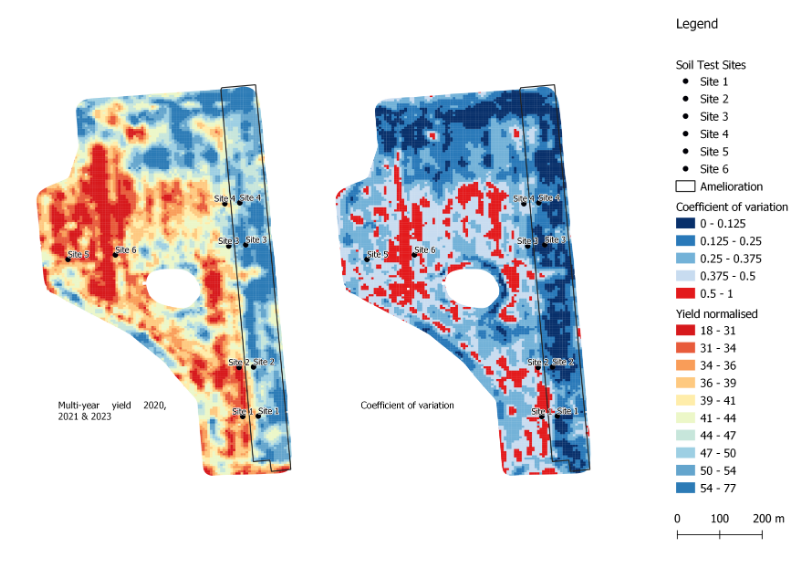
Multi-year average yield maps for the paddock following amelioration (2020, 2021 and 2023) indicated that ploughing had reduced seasonal yield variability, and lowered the coefficient of variation (Figure 7).
Use soil testing and yield mapping to identify amelioration potential
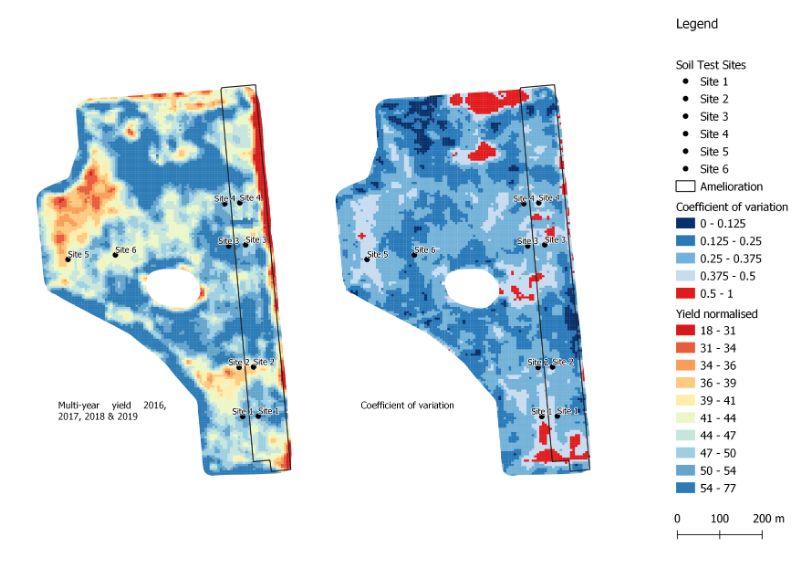
While multi-year yield data is often used to zone for soil type (and amelioration potential), such an approach was not effective in the case study paddock due to its challenging topography. For example, in the multi-year yield map generated before soil amelioration (Figure 8), the low-yielding areas of Sites 5 and 6 seemed to share similar soil characteristics to Site 2 — a deep sandy gravel that responded positively to soil inversion. However, subsequent soil tests indicated that Sites 5 and 6 were duplex sandy gravel, like Sites 1, 3 and 4 (data not shown). This highlights that areas with similar yields may have different underlying constraints and emphasises the importance of ground truthing yield maps with soil testing to determine the potential for amelioration.
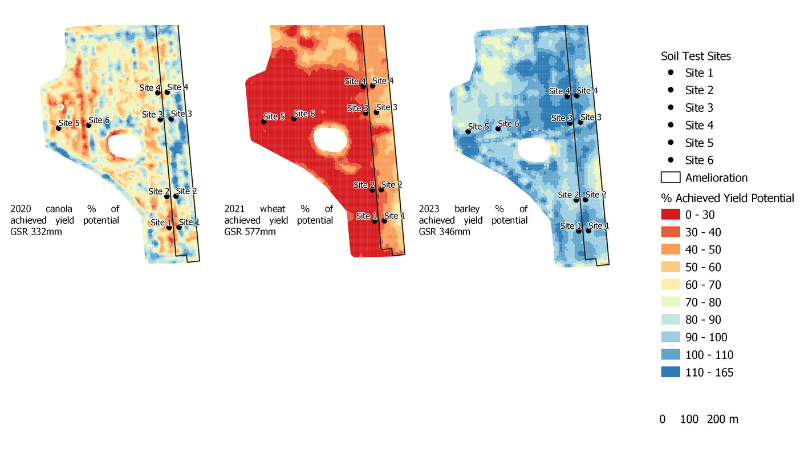
Converting the yield maps into maps of achieved yield potential (%) shows that seasonal conditions strongly influenced yield response in the case study paddock. In 2020 and 2021, a higher proportion of yield potential was achieved in the ameliorated zone than the non-ameliorated area for canola and wheat respectively (Figure 9). However, the percentage achieved of yield potential in 2021 was lower due to challenging climatic conditions, high rainfall (577 mm GSR) and frost damage. In contrast, for the 2023 season that had an average rainfall (346 mm GSR) but with a dry spring, there was no clear difference in achieved yield potential between ameliorated and non-ameliorated areas, except at Site 2, which is a deep sandy gravel (Figure 9).
Economics
Economic analysis showed that amelioration gave positive returns for canola (2020) and wheat (2021), but negative returns for barley in 2023 (which suffered a dry spring finish). The best and most consistent results came from the deep sandy gravel (Site 2), with a three‑year net return of $1178/ha (Figure 10). On the duplex gravels (Sites 1, 3 and 4), returns were lower but still positive over three years, ranging from $457 to $618/ha, despite the 2023 losses (Figure 10).

Conclusions
Alleviating soil constraints with one-off ploughing improved yield stability and the proportion of estimated yield potential achieved across variable seasons — important drivers of resilient farming systems. Economic analysis showed positive returns overall, with the highest benefit on the deep sandy gravel ($1178/ha over three years) and smaller but still positive return on duplex gravels ($457–$618/ha), despite seasonal variability.
Ploughing reduced water repellence, loosened soil, and changed nutrient distribution. This boosted yields in deep sandy duplex soils by improving root growth and access to water and nutrients. In contrast, duplex sandy gravels (which have higher gravel content), remained densely packed below the ploughing zone, restricting rooting depth. This suggests that even when these constraints are alleviated, yield may still be limited by other factors such as water-holding capacity and rooting depth, which will vary with seasonal conditions.
Choosing the right soil types for amelioration (considering clay at depth, rock content) is key to achieving productivity gains. However, in this paddock, topography and seasonal effects (frost one year, waterlogging in another) made it difficult to rely on historic yield data to identify potential amelioration zones.
Lessons learned
- Historically, Ben’s farm was a livestock property, and ploughing brings up rocks and roots, making paddock levelling time consuming and difficult. While ploughing reduced water repellence and improved crops and weed control, it also added to the management operations of the farm.
- Ploughing results in a loss of soil moisture, making crop establishment more difficult in the first season following amelioration.
- Waterlogged areas improved because more water was absorbed higher up the paddock, reducing runoff into low-lying areas.
Next steps
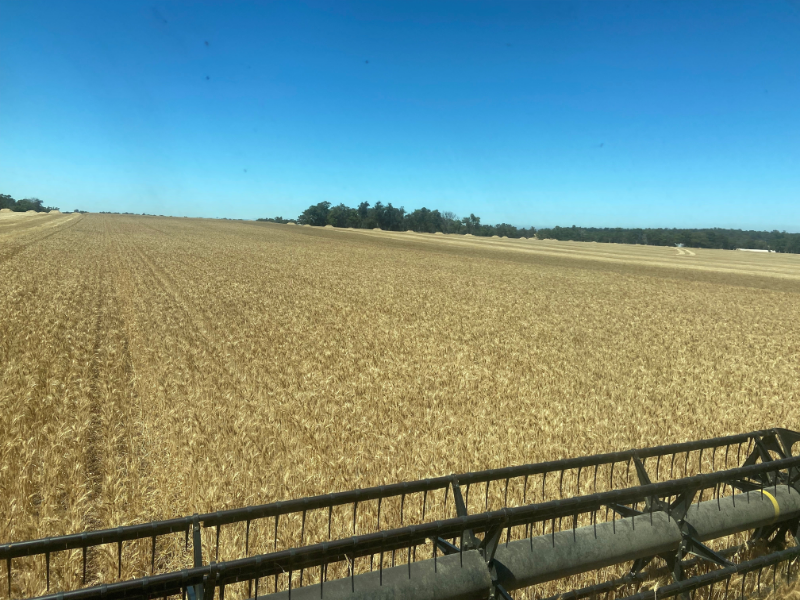
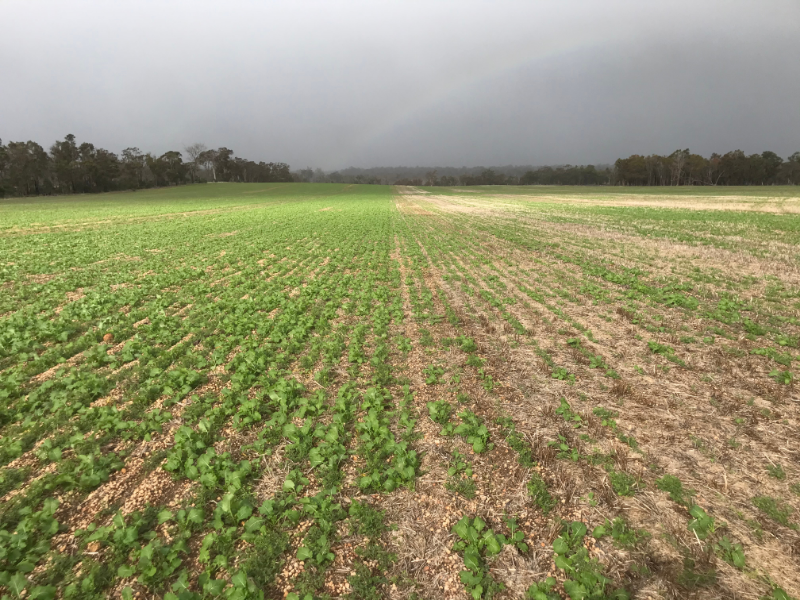
- Ben is happy with the improved plant establishment resulting from soil inversion (Figure 11).
- In areas of the farm too rocky to plough, Ben is considering using a rock crushing ‘Reefinator’ to break up the rocks and tree roots.
- Where clay is not close to the surface, Ben has been spreading and incorporating clay from renovated and new dams. His long-term aim is to raise the clay content of the topsoil to 7–8% using one-off ploughing and variable clay spreading/incorporation. Although claying costs about $800/ha, it offers a long-term solution for water repellence and will remove the need for annual surfactant use ($18/ha).
For more information
Bindi Isbister
Research Scientist
Soil Productivity
Grains Research and Innovation
Department of Primary Industries and Regional Development
E: [email protected]
P: (08) 9956 8555
References
Betti G, Edwards T, Biddulph B, Davies S, Van Burgel A, Hall D, and Turner C (2019)
Reduced Frost Damage on Crops After Strategic Deep Tillage – Evidence from Field Experiments in Western Australia. In: Cells to Satellites. J Pratley Ed. Proceedings of the 19th Australian Society of Agronomy Conference, 25-29 August 2019, Wagga Wagga, NSW, Australia.
Davies S, Betti G, Edwards T, et al. (2019)
Ten Years of Managing Water Repellent Soils Research in Western Australia – a Review of Current Progress and Future Opportunities. Grains Research Development Corporation (GRDC), Perth.
Acknowledgements
The research outlined in this case study was jointly funded by GRDC and DPIRD as part of the DAW1902-003RTX project Re-engineering Soils to Improve the Access of Crop Root Systems to Water and Nutrients Stored in the Subsoil and the DAW2401-001SPX project Soil Water and Plant Nutrition.