
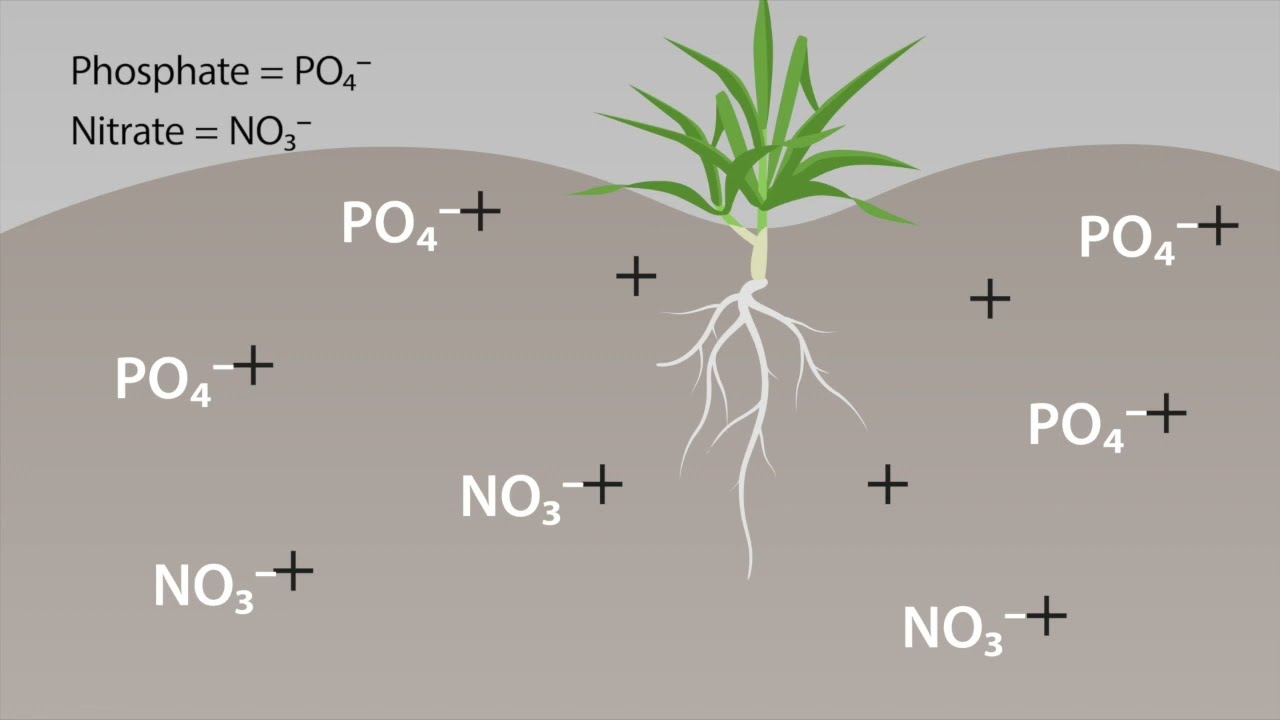
Ion exchange capacity of gravel soil
Unlike most soil types, gravel soil possesses anion exchange capacity in addition to cation exchange capacity, adding complexity to...
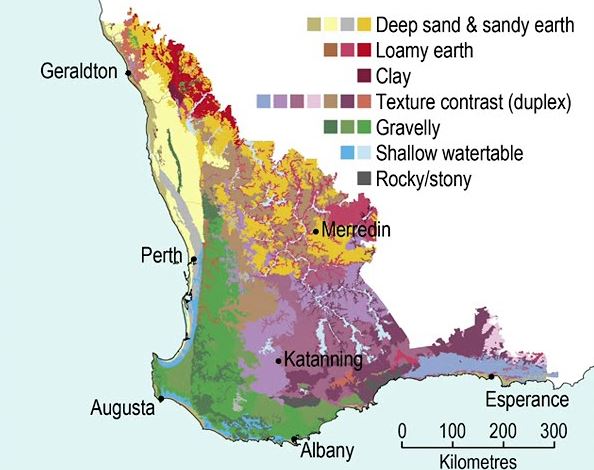
Potential wheat yield on gravel soil in south-western agricultural region of Western Australia
High potential wheat yield based on rainfall corresponds with areas with a high proportion of gravel soil.
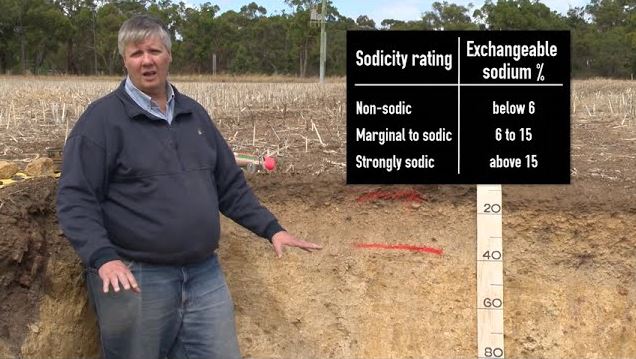
Describing gravel soil at Kendenup, Western Australia
Tim Overheu, Department of Primary Industries and Regional Development, describes a gravelly duplex soil at Kendenup.
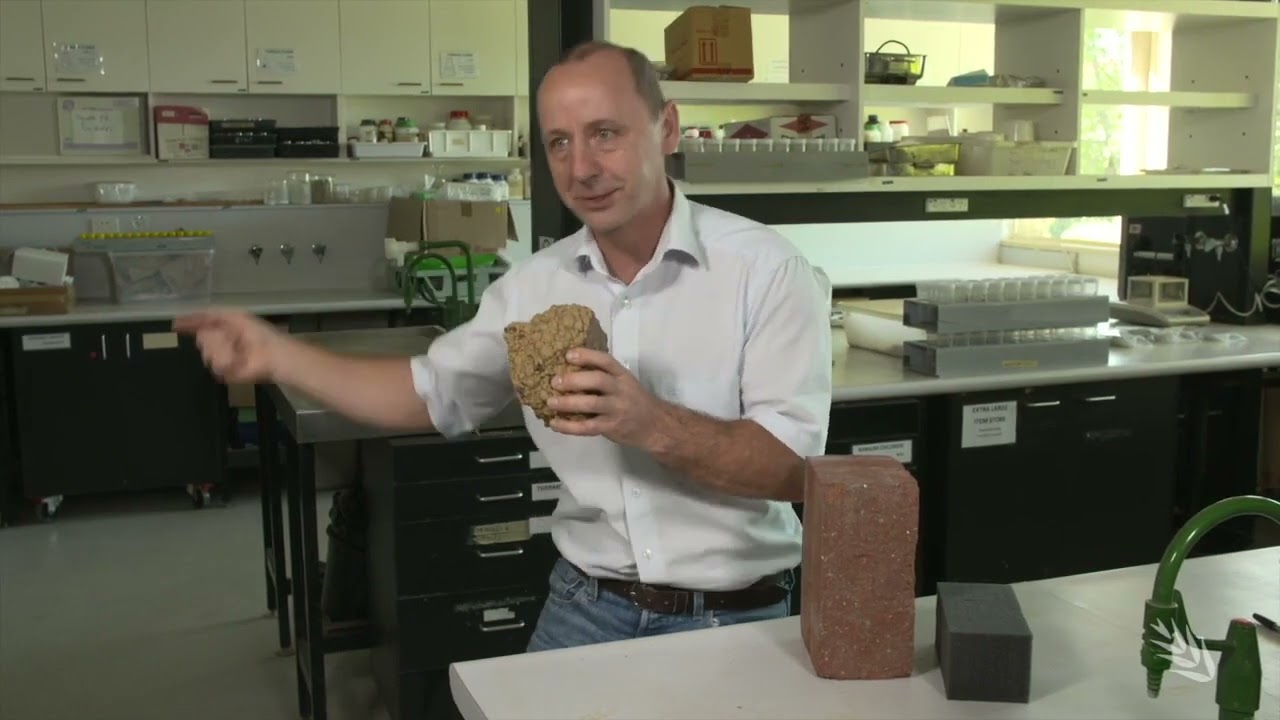
Understanding how gravel interacts with the soil environment
Gravel particles contain pores which allows extra space for interactions with water, nutrients and microorganisms within the soil profile...
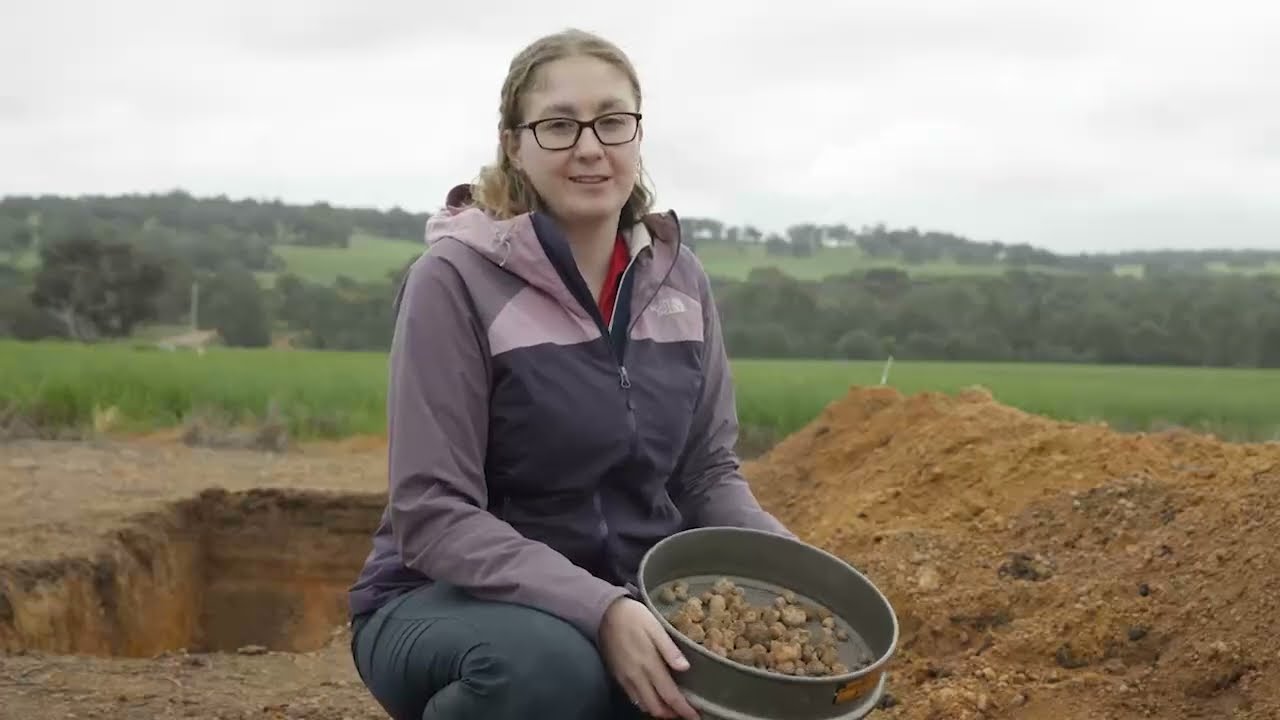
Introduction to ironstone gravel soil
Gravel soil comprises four million hectares of the arable area used for crop production in south-west Western Australia.
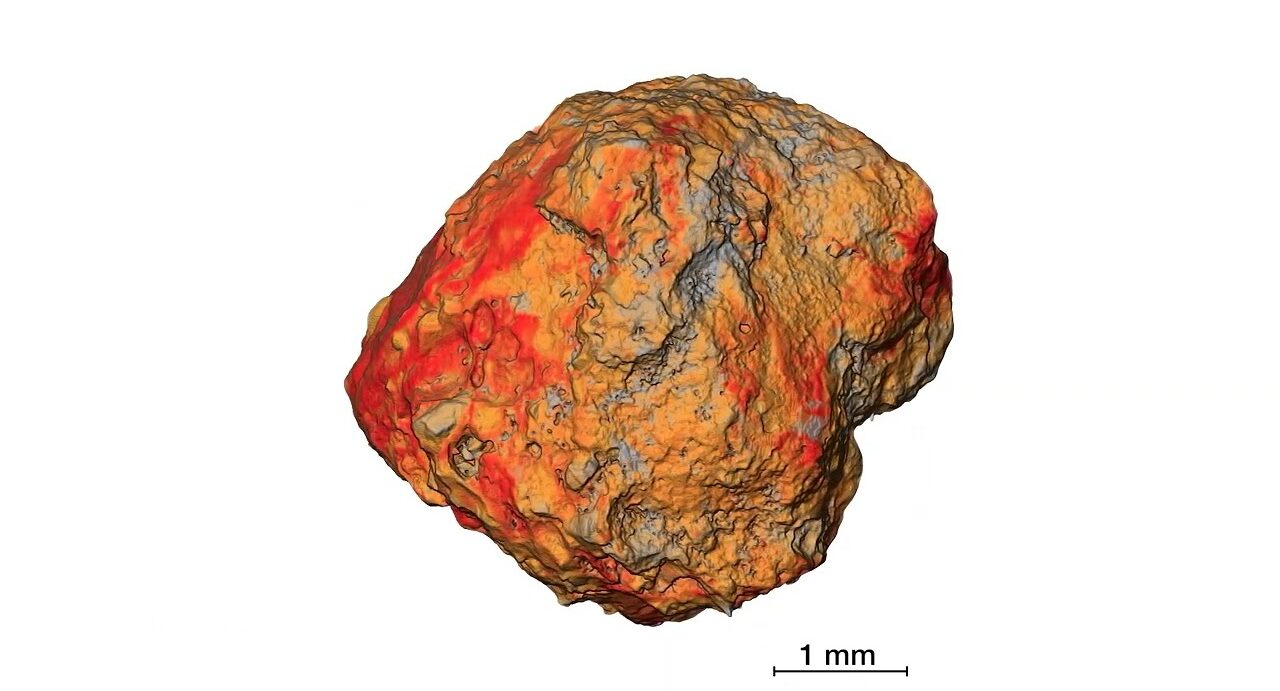
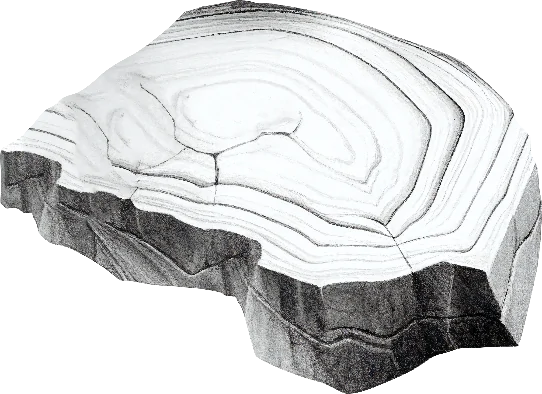
3D view of an individual gravel
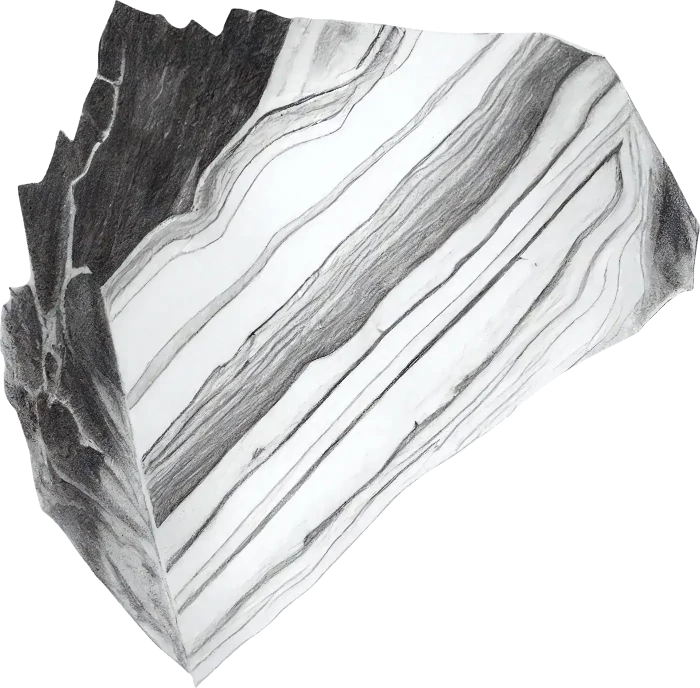
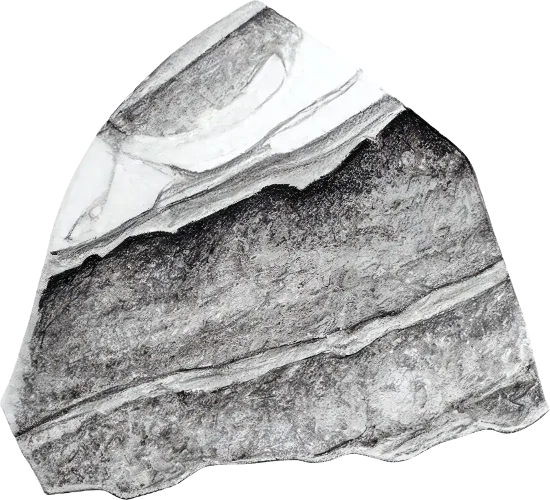
Internal pores in ironstone gravel particles provide additional water storage, new surfaces for nutrient binding and microhabitats for microorganisms.
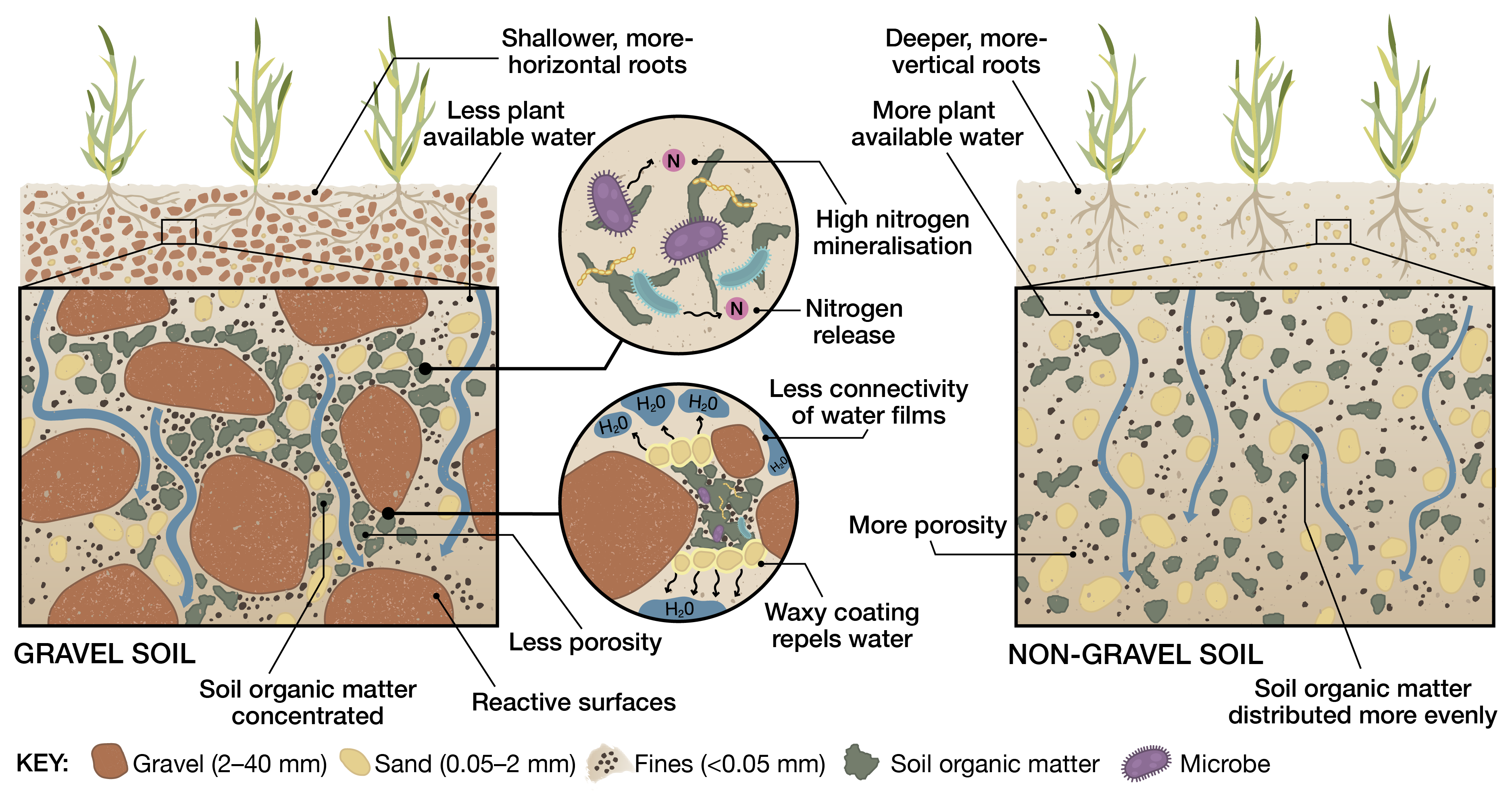
Nutrient cycling in gravel soil
In gravel soil, the carbon pool is concentrated compared to a soil without gravel.